The relationship between color and personality is a nuanced and dynamic one, where colors often serve as a reflection of distinct personality traits. Vibrant hues can indicate an outgoing and energetic nature, while softer tones might suggest a more introspective and calm personality. This interplay highlights how personal color preferences and inclinations are deeply intertwined with our individual identities and emotional expressions

1. Color and Individual Personality Traits
Color can be seen as a wordless language that expresses a person’s personality and mood. Each color is associated with different meanings and emotions, reflecting specific personality traits.
- Red: Often linked with energy, strength, and passion. People who favor red might be decisive, independent, and passionate.
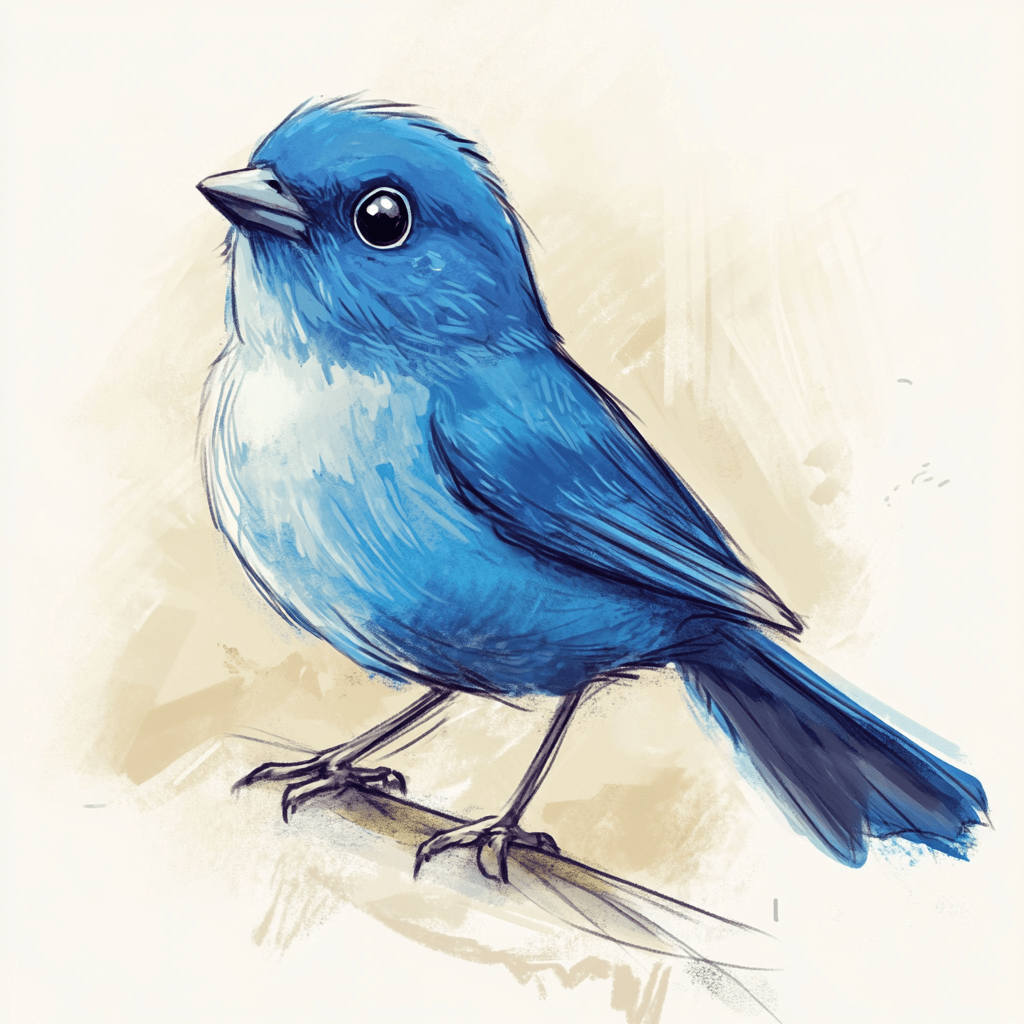
- Blue: Symbolizes peace, intelligence, and trust. Those who prefer blue are typically calm, logically minded, and reliable.
- Green: Connected with freshness, balance, and harmony. Green enthusiasts often love nature, seek stability, and balance in life.
- Yellow: Represents happiness, optimism, and creativity. Individuals who like yellow are usually optimistic, creative, and enjoy communication.
2. Psychological Studies on Color and Personality
Psychological research indicates that color not only reflects personality but can also influence how people perceive and interact with each other. Color affects emotions and behavior, thereby impacting how others perceive us.
- Influence of color on mood: Colors don’t just reflect a person’s current mood but can also alter or improve that mood. For example, blue can create a sense of peace and reduce stress.
- Color choices according to personality: People often choose colors that reflect their personality and mood. For instance, someone with a deep and introspective personality might prefer darker shades like navy or brown.
3. Application in Everyday Life and Surrounding Environment
Understanding the relationship between color and personality can aid in making informed decisions about personal style, interior design, and even marketing. Knowing which colors resonate with certain personality types can enhance personal expression and improve communication.
- Personal Style and Expression: The colors we wear can say a lot about who we are. Bold colors might be chosen by those who are outgoing and confident, while softer tones might be preferred by those who are more reserved.
- Interior Design and Mood Regulation: The colors in our living and working spaces can significantly affect our mood and productivity. For instance, incorporating green in a space can create a calming and balanced environment.
4. Color in Communication and Self-Expression
Color as a Communication Tool
Color can communicate a wide range of messages without the need for words. This non-verbal form of communication is universal and can convey emotions and intentions in various contexts.
Cultural Significance: Different cultures attribute various meanings to colors. For instance, white may represent purity in some cultures, while in others, it symbolizes mourning.
Emotional Impact: Colors have the ability to evoke emotional responses. Red can signal danger or excitement, while blue can be calming and soothing.
Symbolic Meaning: Certain colors are often used symbolically. Green is frequently associated with environmental causes, and pink has become a symbol for breast cancer awareness.
Color in Personal Branding and Identity
In personal branding, color plays a crucial role in shaping perceptions and expressing identity. The colors we choose in our attire, branding materials, or online presence can significantly influence how others perceive us.
Clothing Choices: The colors we wear can impact first impressions and convey aspects of our personality. Bright colors might suggest a vibrant and energetic personality, while neutral tones might indicate professionalism and stability.
Online Presence: Color choices on social media profiles, websites, or personal logos can enhance personal branding. These colors can align with one’s personality traits and values, strengthening personal identity.
Psychological Effects of Color in Interaction
Color psychology plays a vital role in how we interact with others. It can influence mood, behavior, and even the outcome of interactions.
Influence on Perceptions: The colors we use can affect how others perceive our confidence, trustworthiness, and authority. For example, blue is often seen as trustworthy, making it a popular choice in corporate contexts.
Mood Modulation: Colors in our environment can alter the mood of interactions. For example, warm colors can create a welcoming and energetic atmosphere, while cool colors might foster a calm and focused setting.

 DrawingEZ
Leave a comment